
Vision for Nanaimo
A forty-year outlook of Nanaimo as a regional centre of healthcare excellence, and the anchor projects that will lead to a better life for the people who live here.
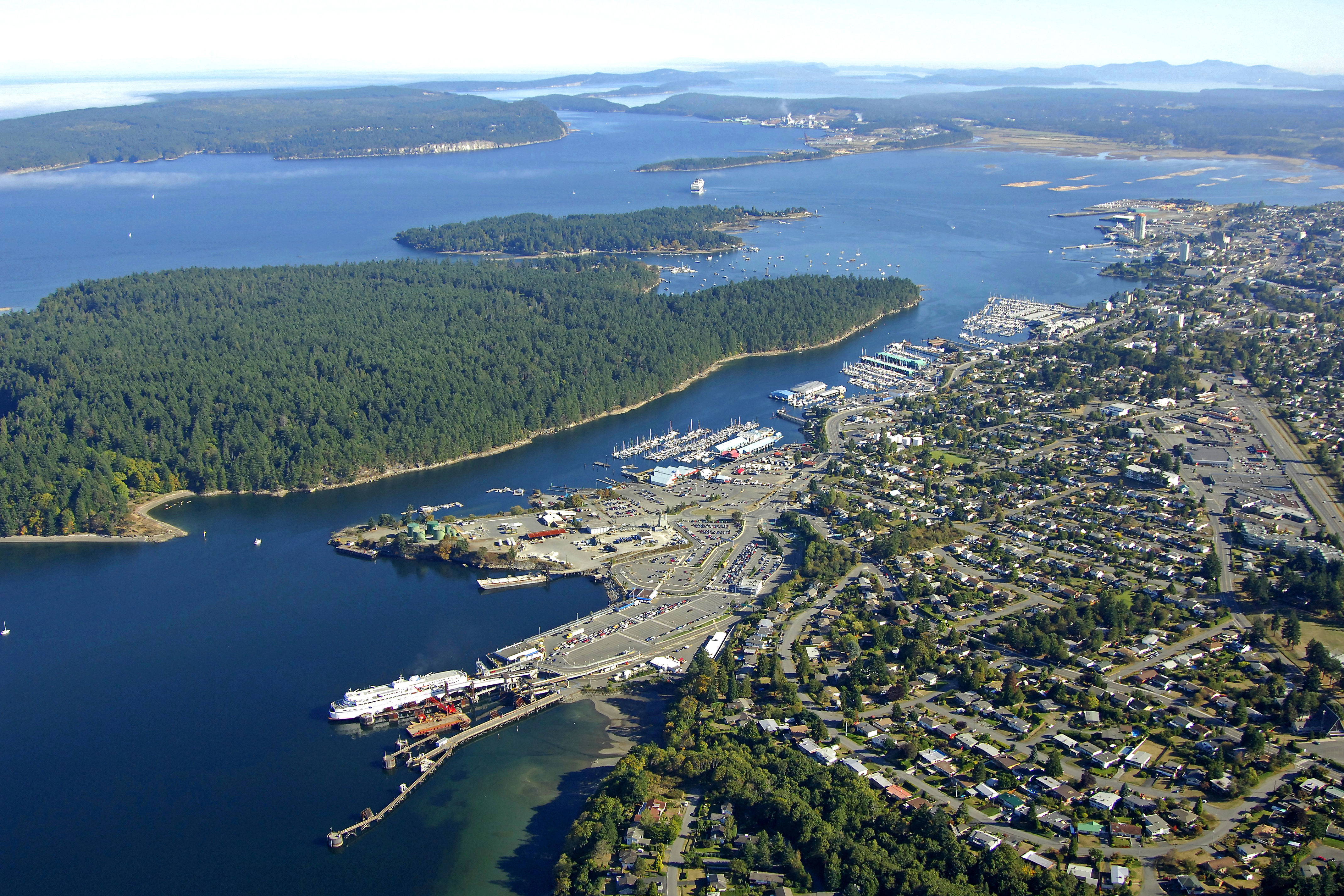
Nanaimo is the central logistics hub of Vancouver Island, and it is a working port city. North of Victoria, it is the regional centre for tertiary healthcare for over half a million Island residents and visitors from elsewhere. As our city grows along with an influx of newcomers, council must make preparations for the Harbour City to become one of the prominent metropolitan areas in our province.
A forty-year time horizon
City councils, as a byproduct of the electoral system, tend to focus on what they can achieve within a four-year term. Re-election prospects and budget cycles both push in that direction. The result is all too often a local government that does not adequately concern itself with what future generations will inherit. This vision takes a longer horizon, roughly four decades. Long enough that today's newborns will be raising their own families, and most of today's voters will be cared for by the healthcare workforce we establish now. Decisions taken this council term compound into a city that is either fundamentally more livable, or financially stretched beyond its ability to adapt.
Healthcare excellence as the ultimate goal
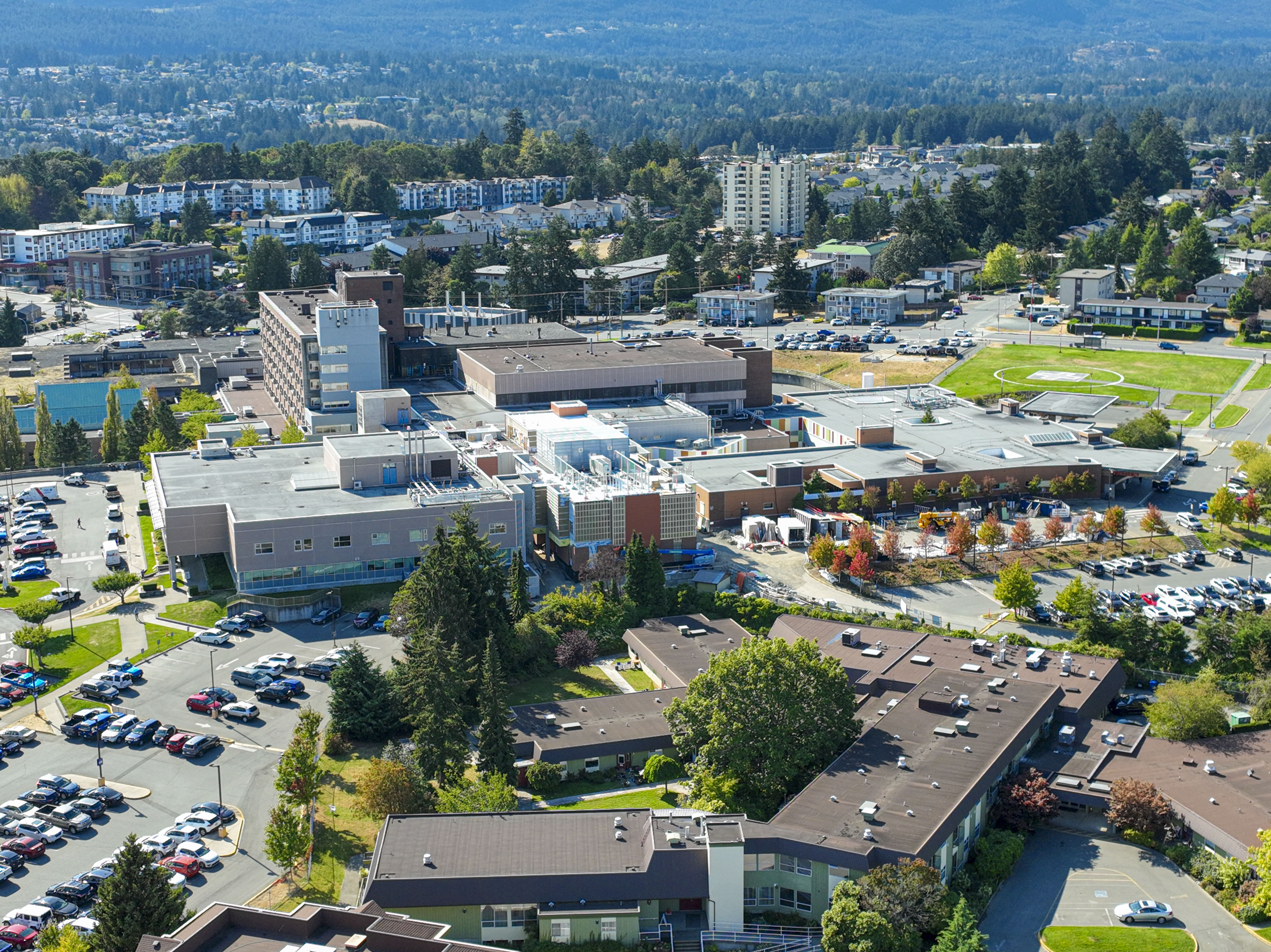
The underlying motivation for my platform is to support healthcare excellence in Nanaimo. Our city already hosts the regional hospital, which provides tertiary care to a catchment of roughly four hundred thousand people in central and northern Vancouver Island. Every decision this council makes should be analyzed against the backdrop of how it improves access to that care and supports the workforce delivering it. The anticipated 2028 opening of the BC Cancer Centre will bring twenty thousand annual treatments into the region rather than requiring patients to travel to Victoria or Vancouver. The much-needed new patient tower and the cardiac catheterization lab are the next expansions at the regional hospital, and both need active council advocacy for them to break ground on the timeline the region needs.
Beyond the hospital, the aim is that every resident of Nanaimo has a primary care provider. Roughly a quarter do not today, and closing that gap is the single largest health disparity a council can meaningfully address. Whether through a municipally run primary care clinic or direct support for expanding nurse practitioner-led initiatives, it is imperative that city councillors commit to action on a fundamental determinant of a person's health. Healthy people are the backbone of a vibrant community, and every other file the council touches depends on that foundation being in place.
Public transportation as the through-line
Improved transit is the second portion of the healthcare vision. As the hospital campus expands, its parking capacity will not keep pace with the number of patients, family members, and staff arriving each day, not to mention Vancouver Island University nursing students. The workforce delivering healthcare to the region needs a reliable alternative to reach the hospital on a shift schedule. The patients arriving for treatment, many of whom cannot drive themselves, need frequent service they can plan around. A transit network built around the regional hospital, with direct and frequent connections from the major exchanges, the ferry terminals, and the neighbourhoods where healthcare workers live, is what makes hospital expansion sustainable from a transit perspective.
Childcare as workforce retention
Expanded childcare facilities are the third piece of this vision. A healthcare workforce that cannot arrange childcare that fits shift schedules is a workforce that leaves for a city where it can. Expanded childcare hours are not a peripheral family issue, but a mechanism by which Nanaimo can attract and retain the nurses, technologists, paramedics, and physicians the region needs today, and in the future. Inclusive childcare options are also the mechanism by which parents already living here can return to their careers, closing part of the workforce gap the region carries. Not only is it financially prudent for our local economy, it is also the morally correct avenue the next council should commit to advancing.
Port and industry
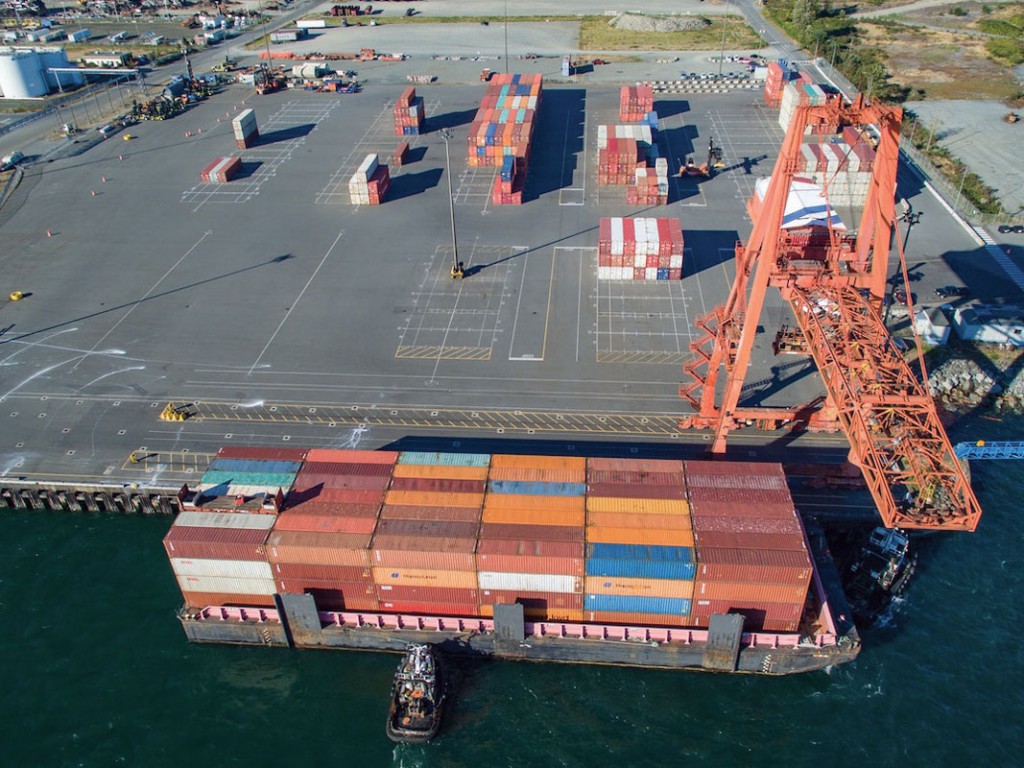
The Port of Nanaimo and the industrial economy are the region's other structural assets. The Duke Point terminal expansion, the deep-water access, the freight capacity, and the industrial land at the Wellcox rail yard together form the base of the regional economy. Restoration of the E&N corridor, with the potential for a Wellcox to Duke Point freight spur, is the infrastructure project that will anchor the next decade of industrial activity to our city. In cooperation with the Island Corridor Foundation and the Reconciliation Corridor Initiative, our region will one day benefit from economic activity linked to passenger and freight rail traffic. Vancouver Island University plays a supporting role in this vision, training the skilled workers the port, the regional hospital, and local industry all rely on.
First steps for council
This forty-year vision begins with what the next council does over its four-year mandate. The first step is primary healthcare access, because healthy people are the backbone of a vibrant community and the disparity between residents with and without a family doctor is the single largest health inequality a city can meaningfully address. Transit and childcare follow immediately behind, because each of them supports the entire community, but especially the healthcare workforce we hope to attract to Nanaimo. The vision depends on a council that is not afraid to state its priorities clearly, that tests every decision against them, and that keeps the anchor projects moving through every budget cycle.
A realistic self-assessment
Nanaimo will not share the trajectory of Victoria and certainly not that of Vancouver, but we have many advantages to be grateful for. The city's central location, deep-sea port, airport, expanding regional hospital, and the mid-island lifestyle that draws people here are the base this vision is built on. A council that accepts our city for what it truly is will serve this community better than one measuring itself against cities it was never going to resemble. Our Harbour City has tremendous potential for the sustainable growth that can bring prosperity to everyone, and that begins with a vision to support healthcare excellence in Nanaimo.